

Choosing Cooking Fats for your Healthy Diet
From Butter to Vegetable Oils: Choosing Cooking Fats for your Healthy Diet
Written by: Renee Korczak Ph.D., RDN, CSSD, LD
Understanding culinary fats and oils matters because they play a big role in our cooking and health. Fats and oils are needed to sauté, fry, roast and bake, and we are faced with many choices at the grocery store including liquid oils, sticks of butters, and tubs of spread. Which fat and oil to choose depends on how and what you are cooking and the nutritional value you are seeking. Here is expert guidance from a registered dietitian nutritionist to help inform your decisions in the grocery store, add confidence to your cooking, and support your nutrition goals.
Before exploring how cooking fats perform in our kitchens, let’s examine the role that fat plays in a healthy diet and why it is an essential nutrient. Fat is one of the three main macronutrients that our bodies require to function, along with carbohydrates and protein. While fat is calorically dense (9 kcal/g), including it in your diet is essential for human functioning. For example, fat plays a key role in:
• Serving as an energy source and protecting vital organs
• Delivering essential fatty acids that your body can’t produce naturally, including omega-3 and omega-6 fatty acids1
• Absorbing fat-soluble vitamins (A, D, E and K) from your diet1
• Producing important hormones that control metabolism and influence inflammation1
• Supporting satiation; the feeling of fullness that you experience during eating2
Fat is a vital component of health, yet it remains one of the most misunderstood nutrients, in part because different types of fats have different effects. The two main types of dietary fat—saturated and unsaturated (such as monounsaturated fatty acids (“MUFAs”) and polyunsaturated fatty acids (“PUFAs”))—are present in many of the foods we consume. For example, full-fat dairy and beef fat (tallow) are sources of saturated fat. Healthier, unsaturated fats include MUFAs, found in avocados, nuts, seeds and olive oil, and PUFAs, which are found in oily fish (like salmon), flaxseeds, walnuts and certain plant-based oils like canola and sunflower oils. Choosing a variety of nuts, seeds, fish and vegetables oils helps provide the unsaturated fats your body needs. The current recommendation of total fat for adults is 20-35% of your total daily calories, with more emphasis on consuming unsaturated fats, including MUFAs and PUFAs, and a recommendation of less than 10% of your daily calories coming from saturated fat.3 For example, based on a 2,000 calorie per day diet, 10% translates into about 2 tablespoons of dairy butter (a saturated fat). On a day-to-day basis, aim to choose an option with less saturated fat that helps meet health recommendations, while still getting the culinary performance that you need. Here’s how.
Although full fat dairy butter provides excellent performance in baking and is a delicious choice for searing proteins, it is high in saturated fat. To keep the performance and buttery taste, but lower your saturated fat intake, choose a vegetable oil-based stick or buttery spread. I Can’t Believe It’s Not Butter!® Original, a Nutririch Buttery Spread, is an example of a buttery spread that has a rich and creamy buttery taste, is an excellent source of Vitamins A, D, E and B12 and Omega-3 alpha-linolenic acid (“ALA”) and has 70% less saturated fat than dairy butter.8 It is also certified as a heart-healthy food by the American Heart Association (the “AHA”).9
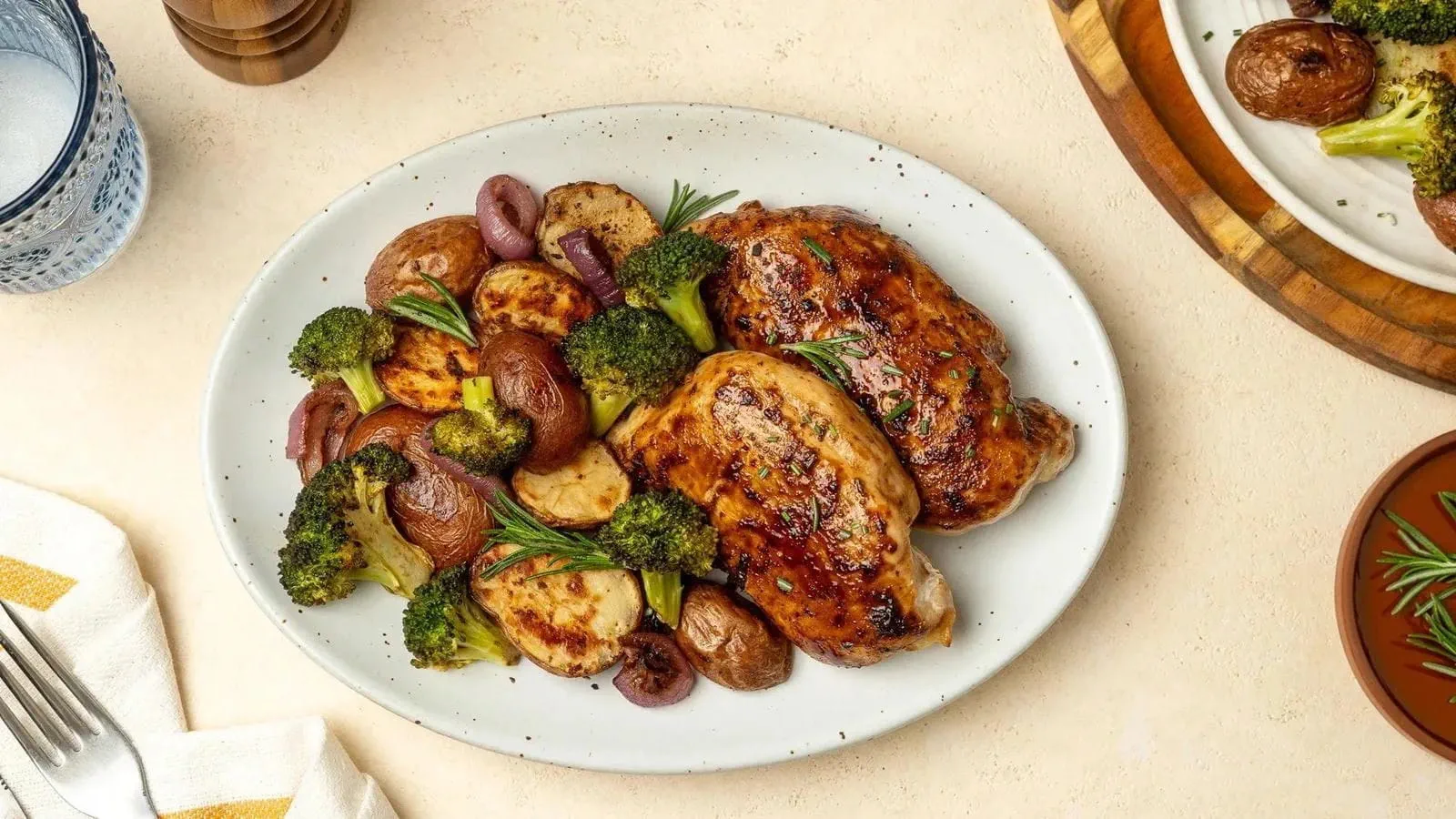
When choosing fats for cooking, there are performance and nutrition considerations. Cooking fats are also important to prevent sticking and burning, while adding flavor, to sauteed and roasted vegetables. Liquid oils work well here, such as olive oil with its distinct flavor or canola oil with a neutral taste and omega 3 fatty acids. Vegetable oil spreads perform well here too, by providing a buttery taste and essential unsaturated fatty acids. Look for varieties that have a blend of oils, including some made with olive oil. Finally, frying is cooking method using high heat and fats and can result in higher fat and calorie foods overall. It is best to limit fried foods generally, however choices for frying can include avocado oil and vegetable oil blends in sticks and tubs that can tolerate high heat.
Simple swaps when cooking can help lower your saturated fat intake. Nutrition science consistently confirms the relationship between fats and oils and the risk for chronic diseases, demonstrating that diets rich in unsaturated fats help lower LDL cholesterol and the risk for type 2 diabetes and cardiovascular disease.4–6 Choosing vegetable oils that contain omega-6 fatty acids are cardioprotective and can help mitigate inflammation and oxidative stress. Many oils rich in unsaturated fat also align with research-backed dietary patterns, such as the Mediterranean diet and the DASH diet, while meeting recommendations from key health authorities such as the AHA.7
So, the next time you are at the grocery store, follow these key tips when choosing fats for your culinary needs:
• Look for the AHA Heart-Check mark on packages, particularly if you are buying a spread or oil. This Heart-Check mark tells you that the product meets the AHA’s strict nutrition standards for saturated fat, trans fat, sodium and may be a good source of other essential nutrients. It’s also a quick way to identify foods that can fit into an overall healthy eating pattern.
• Look for packages that communicate other key product claims such as health benefits or nutrient content claims (ex: a product claims to be rich in or an excellent source of specific vitamins and Omega-3 ALA)
• Look at the Daily Value (“DV”) column on the nutrition facts panel and watch out for products that may contain high amounts of saturated fats (20% or more of the DV)
Cooking with vegetable oil fats in the forms of liquids, sticks or buttery spreads is a great way to get the culinary results you want while maintaining a healthy dietary pattern.
References
1. Meijaard E, Abrams JF, Slavin JL, Sheil D. Dietary Fats, Human Nutrition and the Environment: Balance and Sustainability. Front Nutr. 2022;9:878644. doi:10.3389/fnut.2022.878644
2. Rakha A, Mehak F, Shabbir MA, et al. Insights into the constellating drivers of satiety impacting dietary patterns and lifestyle. Front Nutr. 2022;9:1002619. doi:10.3389/fnut.2022.1002619
3. U.S. Department of Agriculture nd U.S. Department of Health and Human Services. Dietary Guidelines for Americans, 2020-2025. 9th edition. December 2020.
4. Maki, KC, Kirkpatrick, C, Wilcox, LM, Guarneiri, L, Attia P, Allison, D. Associations of serum omega-6 polyunsaturated fatty acids with apolipoprotein B and atherogenic lipoprotein profile. J Clin Lipidol. 2025;19(3). https://doi.org/10.1016
5. Zhang Y, Chadaideh KS, Li Y, et al. Butter and Plant-Based Oils Intake and Mortality. JAMA Intern Med. 2025;185(5):549-560. doi:10.1001/jamainternmed.2025.0205
6. Maki KC, Wilcox, ML, Kirkpatrick, CF, Guarneiri, LL, Beidelman, ET, Allison, DB. Associations of serum omega-6 polyunsaturated fatty acids with biomarkers of glucose homeostasis. Curr Dev Nutr. doi: 10.1016/j.chnut.2025.106488.
7. Gardner CD, Vadiveloo MK, Petersen KS, et al. Popular Dietary Patterns: Alignment With American Heart Association 2021 Dietary Guidance: A Scientific Statement From the American Heart Association. Circulation. 2023;147(22):1715-1730. doi:10.1161/CIR.0000000000001146
8. Per 1 tablespoon serving: I Can't Believe it’s Not Butter!® Original Spread: 6g total fat (2g saturated fat), 60 calories; Dairy Butter: 11g total fat (7g saturated fat), 100 calories. Nutritional values of dairy butter from U.S. Department of Agriculture, Agricultural Research Service. Food Data Central, 2019, available at not-butter.com/dairybutter.
9. I Can’t Believe It’s Not Butter!® Original Spread with soybean oil meets the nutritional requirements of the American Heart Association® Heart-Check Food Certification Program. Supportive but not conclusive scientific evidence suggests that eating about 1 ½ tbsp. (20.5g) daily of soybean oil, which contains unsaturated fat, may reduce the risk of coronary heart disease. To achieve this possible benefit, soybean oil is to replace saturated fat and not increase the total number of calories you eat in a day. 1 tbsp. serving of I Can’t Believe It’s Not Butter!® Original Spread contains 5g of soybean oil.